
Tube Cutting
Chipless vs Chip Tube Cutting: What Tube Manufacturers Should Know
Chipless and chip tube cutting serve different tube production needs. This guide explains how each method works and when to choose it.
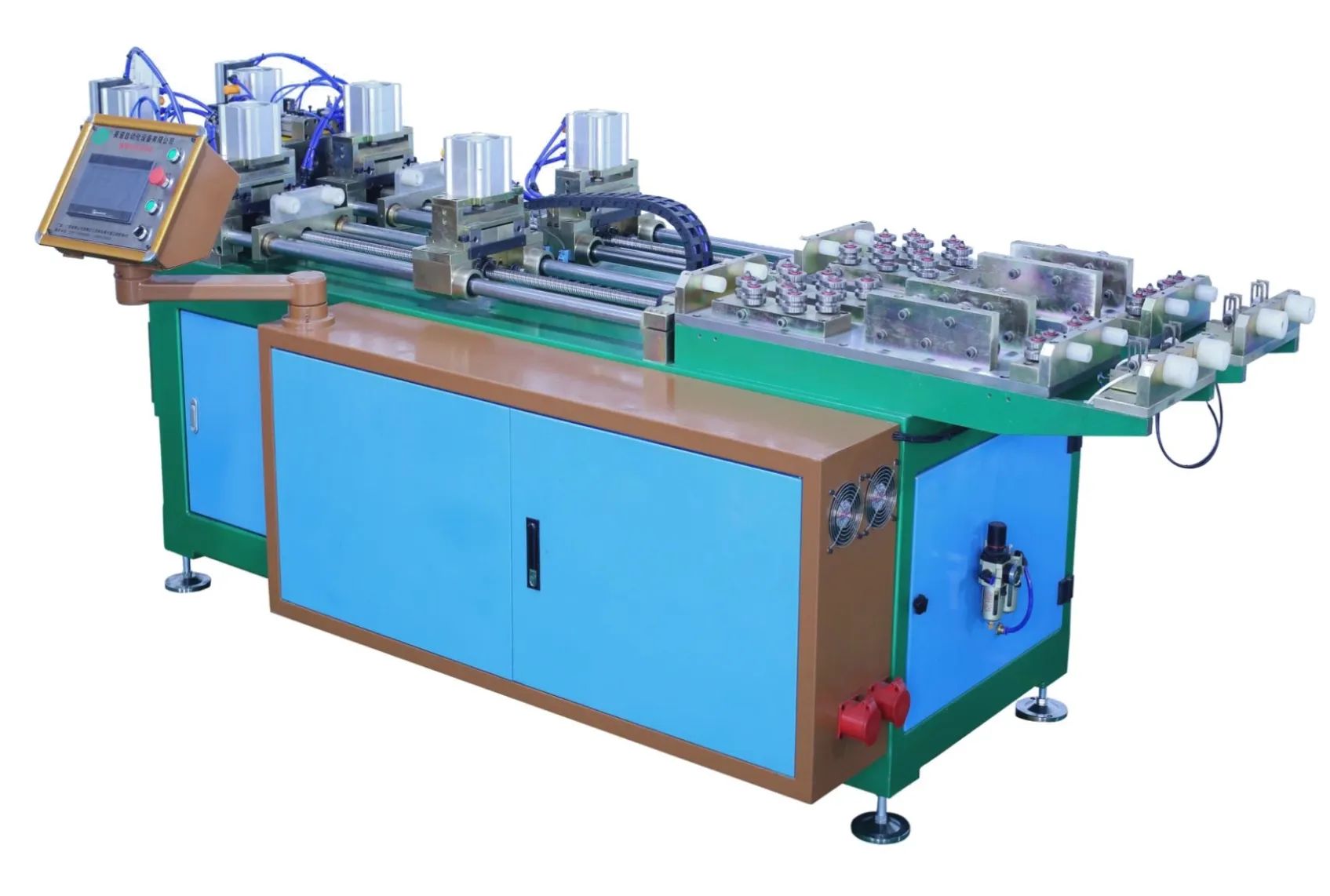
Tube cutting is the first step in most tube fitting production, and the cutting method affects everything that follows. Chip cutting removes material with a rotating blade or saw, while chipless cutting separates the tube without removing material, usually by rotary cutting or shearing. Both methods are used in copper and aluminum tube production, but they suit different requirements.
Chip cutting is a flexible, well-understood method. A saw or blade cuts through the tube, and the machine can handle a wide range of diameters and wall thicknesses. The cut surface may need deburring, and chips must be collected and removed from the work area. For short runs, varied tube sizes, or simple cut-to-length work, chip cutting is often the practical choice.
Chipless cutting keeps the tube end in better condition. Because no material is removed as chips, the tube end stays round and free of burrs, and there is no chip waste to clean from the line. This matters when the cut tube goes directly into a later process such as expanding, flaring, or bending, where a deformed or narrowed tube end can cause a poor joint or a rejected fitting.
Choose by the next process, not by the cut alone. If the tube will be expanded or formed at the end, chipless cutting usually gives a cleaner starting point. If you cut many different sizes in small batches and can deburr as a separate step, chip cutting may be simpler and more flexible. In either case, the cutting machine should feed, straighten, and measure tube length consistently, so cut lengths stay accurate across a full production run.